A locksmith callout is not always about a lost key or a faulty lock. Some of the most urgent work happens when a property has become vulnerable: after a break-in, after being left empty, after an auction purchase, or during a sensitive family estate process.
In those moments, the job is bigger than changing a cylinder. It is about making the building safe, protecting what is inside, and giving owners, solicitors, insurers, or family representatives time to decide what happens next.
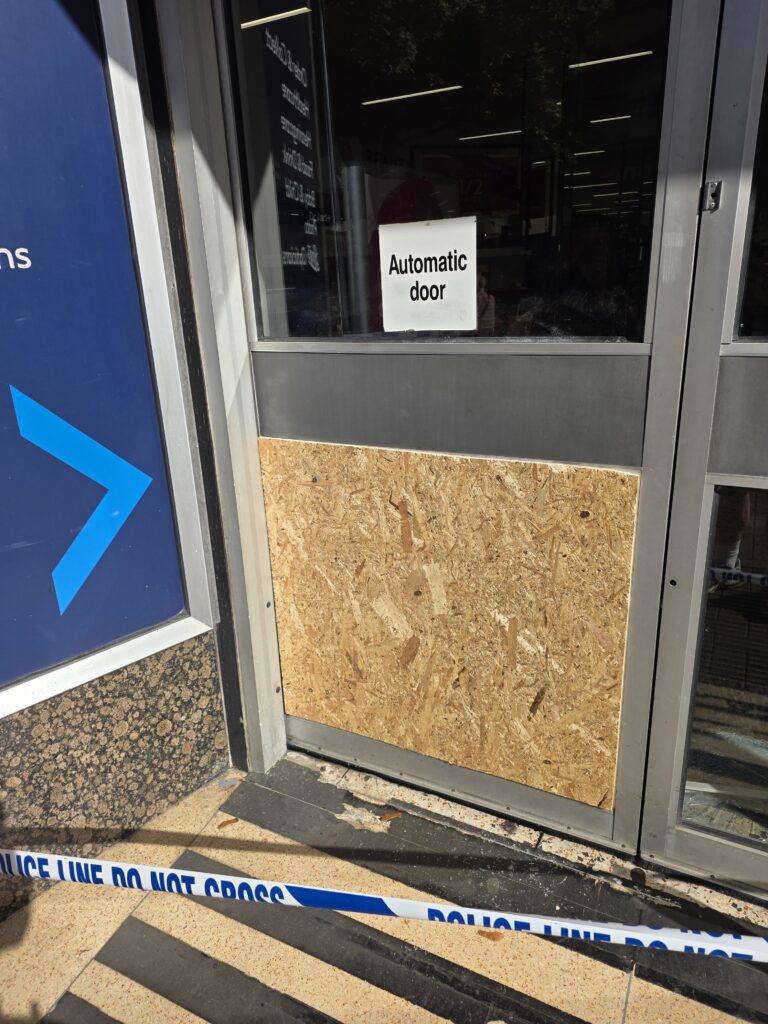
mcLOCKlin locksmith attending boots in Carlisle that was broken into and boarded up.
Locksmiths often deal with the aftermath of crime
After a break-in, the first concern is usually simple: can the property be secured right now?
A forced door, smashed window, damaged frame, or broken lock can leave the building open to more theft, weather damage, or people returning later. In some cases, the police may have attended first. In others, a neighbour, landlord, family member, or homeowner may be the first to notice the damage.
A locksmith can help by:
- Replacing damaged locks
- Fitting new cylinders where keys may be missing or stolen
- Securing broken doors and frames
- Boarding over damaged glass or access points
- Checking other entrances for signs of tampering
- Advising whether temporary or permanent repairs are best
The goal is to stop easy access. Full repairs may come later, especially if an insurance company needs to inspect the damage first. Until then, temporary security can stop a bad situation from getting worse.
This is also where boarding windows becomes part of the job. If the glass is smashed, cracked, or unsafe, the opening needs to be covered properly, not just hidden. Good boarding protects against weather, reduces risk to people passing by, and makes the property harder to enter again.
Auction properties can come with hidden security problems
Buying a property online or at auction can move fast. The buyer may not know the true condition until they collect keys or attend the address. If the building has been empty for months, it may already have signs of damage, forced entry, or misuse.
Common problems include:
- Missing keys or unknown keyholders
- Broken door locks
- Smashed windows
- Internal vandalism
- Rubbish or signs that people have been using the property
- Garages, sheds, or rear entrances left unsecured
An empty property can attract attention, especially if it looks abandoned. Once one access point is broken, others may follow. People may use it as a place to stay, gather, or damage further.
mcLOCKlin locksmiths boarding up smashed windows in Carlisle, Cumbria.
For auction buyers, a locksmith visit is often one of the first practical steps after completion. Even if the doors appear secure, there may be no way to know how many keys exist. Previous owners, tenants, contractors, neighbours, or unknown people may have had access at some stage.
A sensible first visit can include a full lock change, inspection of all entry points, and temporary boarding where needed. That helps the new owner take control before surveyors, tradespeople, or cleaners begin work.
Estate transitions need care and clear control
Property security can become sensitive after a death in the family. A home may contain personal belongings, valuables, documents, and items with emotional importance. At the same time, the legal process may not yet be complete.
In these cases, a locksmith may be instructed by a solicitor, executor, estate manager, or authorised family representative to secure property while the will and estate are dealt with.
This work needs care. It is not about taking sides within a family. It is about making sure access is controlled until the correct person or team has authority to handle the property.
Lock changes may be needed when:
- Several family members have keys
- A key cannot be accounted for
- There is concern about items being removed
- The property will stand empty during probate or estate administration
- A legal team needs controlled access for inventory or valuation
Clear records matter. A locksmith may note what has been changed, which doors were secured, and who authorised the work. This helps prevent confusion later and gives the legal team a practical record of the security steps taken.
This type of callout requires respect. The property is not just a building. It may have been someone’s home for many years.
mcLOCKlin locksmiths securing house sold at auction in Egremont, Cumbria.Insurance work focuses on making the property safe first
When an insurer is involved, the first job is often temporary security. The insurance company may later send its own contractors to repair doors, replace windows, install new frames, or carry out larger building work.
Before that happens, the property still needs to be safe.
A locksmith may be asked to attend and:
- Make the building secure after forced entry
- Fit temporary locks or replacement cylinders
- Board broken windows or doors
- Prevent further unauthorised access
- Provide basic information for the claim process
The insurer may need photos, reports, invoices, or a description of the damage. A locksmith does not decide the outcome of a claim, but good documentation can make the next stage easier.
Temporary security is not a shortcut. It is the measure that protects the property until the right permanent repairs can be agreed and completed.
For homeowners, landlords, and families, this can be reassuring. The property does not have to remain exposed while different parties organise assessments and approvals.
Temporary security and permanent repairs are different jobs
After a break-in or discovery of damage, it is common to want everything fixed at once. Sometimes that is possible. Often, it is not the best first step.
Temporary security is about immediate protection. Permanent repair is about restoring the property properly.
Temporary security
Permanent repair
Boarding, lock changes, emergency securing, short-term access control
New doors, new frames, replacement glazing, upgraded hardware, planned improvements
Both have value. A boarded opening might not look attractive, but it can protect the property while insurance approval, quotes, or legal decisions are pending. A temporary lock may keep a door usable until a damaged frame can be replaced.
A good locksmith will be clear about what has been done and what still needs attention.
What to do when a property is found unsecured
If a property has been broken into, damaged, or left open, the first step is to stay safe. Do not enter if there may be someone inside, if the structure looks unsafe, or if there is broken glass, exposed wiring, or signs of serious damage.
A practical order is:
- Call the police if a crime may have taken placeA crime reference may also be needed for insurance.
- Contact the authorised personThis may be the homeowner, landlord, executor, solicitor, buyer, or insurer.
- Avoid disturbing evidenceTake photos if it is safe, but do not move items unnecessarily.
- Arrange emergency securityLocks, doors, and openings should be secured as soon as possible.
- Keep recordsSave invoices, photos, reports, and messages connected to the incident.
mcLOCKlin locksmiths attending smashed window in Brampton.
Good security after a property incident is calm, practical, and properly authorised. Whether the issue is a break-in, an auction home, an empty estate property, or an insurance claim, the aim is the same: control access, protect belongings, and stop further damage.
A locksmith’s role often starts at the door, but it does not end with the lock. In difficult moments, securing the whole property gives everyone involved the breathing space to handle the next step correctly.
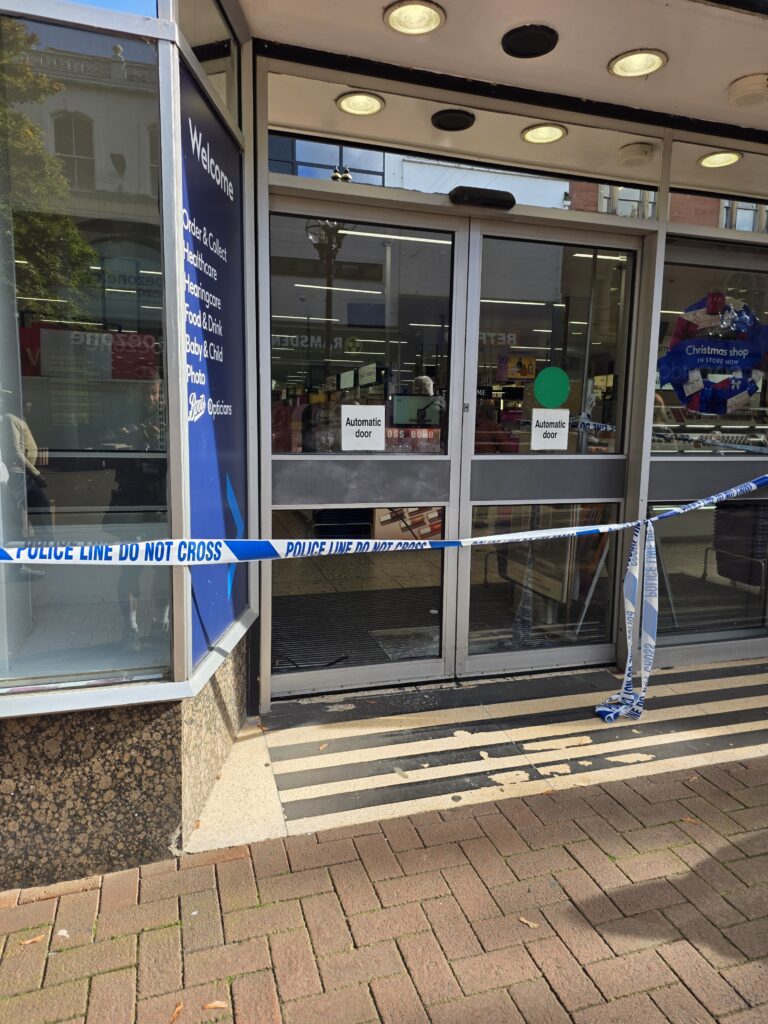
mclocklin locksmiths in Carlisle attending a break in at Boots in the town centre.