

.png)


Consequences of Delaying Lock Repair and Its Impact on Costs and Functionality

A damaged lock might seem like a minor inconvenience at first, but leaving it unrepaired can lead to bigger problems. Many people delay fixing a faulty lock due to cost concerns or simply because it still works to some extent. Yet, this delay often causes the lock to deteriorate further, making repairs more difficult and expensive. This post explores what happens when you postpone lock repairs, how it affects the lock’s functionality, and the potential increase in repair costs.
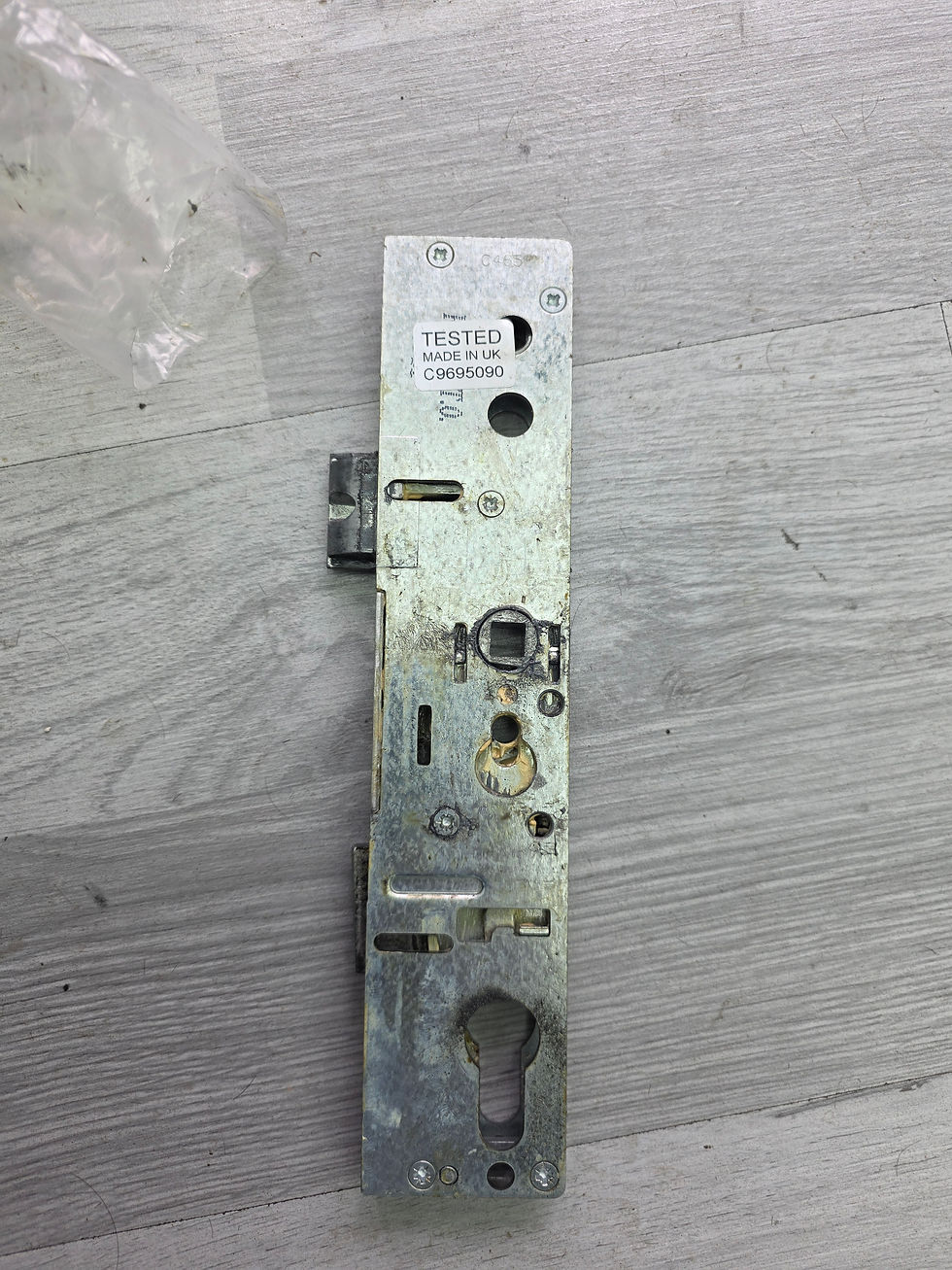
How a Damaged Lock Deteriorates Over Time
When a lock is damaged, its internal components may already be compromised. If left unrepaired, several issues can worsen:
Corrosion and Rust
Moisture and environmental factors cause metal parts inside the lock to corrode. Rust builds up, making the lock stiffer and harder to operate. Over time, this corrosion can seize the lock completely.
Increased Wear and Tear
A damaged lock often requires more force to turn the key or latch. This extra strain accelerates wear on pins, tumblers, and springs inside the lock, leading to further damage.
Jamming and Misalignment
Internal parts may shift or break, causing the lock to jam. Misalignment between the key and lock mechanism can make it impossible to insert or turn the key.
Security Risks
A weakened lock is easier to pick or break, increasing the risk of unauthorized entry.
Delaying repairs allows these problems to compound, turning a simple fix into a complex issue.
How Delaying Repairs Affects Lock Functionality
A damaged lock that is not fixed promptly will gradually lose its ability to function properly. Here’s what you can expect:
Difficulty in Locking and Unlocking
The key may become hard to insert or turn. Sometimes, it may get stuck or break inside the lock.
Complete Lock Failure
Eventually, the lock may stop working altogether, leaving your door unsecured or locked shut.
Damage to Door and Frame
Forcing a damaged lock can harm the door or frame, leading to additional repair needs.
Increased Frustration and Inconvenience
Repeated problems with the lock can cause delays and stress, especially if you get locked out.
Examples of Damage Progression
Imagine a lock with a small crack in the cylinder. Initially, it might still work but requires extra effort. Over a few months, moisture causes rust inside. The crack widens, and pins inside the lock break or jam. Eventually, the key won’t turn, and the lock must be drilled out or replaced entirely.
Another example is a lock with a worn-out keyway. Dirt and debris accumulate, causing the key to stick. Without cleaning or repair, the lock jams, and the key breaks off inside. Removing the broken key and fixing the lock becomes more complicated and costly.
Impact on Repair Costs
Delaying lock repair can significantly increase the cost. Here’s how:
Simple Repairs vs. Full Replacement
Early repairs might involve cleaning, lubrication, or replacing a small part. These services usually cost between £50 and £150.
If the lock jams or breaks, you may need a full replacement, which can cost £150 to £300 or more depending on the lock type.
Additional Door or Frame Repairs
Damage caused by forcing a faulty lock can add £100 to £500 or more to the bill.
Emergency Locksmith Fees
If the lock fails suddenly, you might need emergency services, which often charge higher rates, sometimes double the normal cost.
Time and Convenience Costs
Being locked out or dealing with a malfunctioning lock can lead to lost time and added stress, which are hard to quantify but important to consider.
Preventing Further Damage and Cost
To avoid escalating problems and costs, consider these steps:
Address Issues Early
If you notice stiffness, difficulty turning the key, or visible damage, schedule a repair promptly.
Regular Maintenance
Lubricate locks with graphite powder or a lock-specific lubricant every six months to prevent rust and wear.
Protect Locks from Weather
Use covers or weatherproof locks in outdoor settings to reduce exposure to moisture.
Use Quality Locks
Investing in durable locks can reduce the risk of damage and extend the lifespan.
When You Can’t Afford Immediate Repair
If finances delay your ability to fix a lock, try these temporary solutions:
Lubricate the Lock
Applying lubricant can ease stiffness and prevent further damage.
Avoid Forcing the Key
Use gentle pressure to avoid breaking the key or worsening the lock.
Secure the Door with Alternative Methods
Use a secondary lock, security bar, or door brace to maintain safety.
Plan for Repair Soon
Set a budget and timeline to repair or replace the lock as soon as possible.


Comments